





For the last several years, M.S. marriage and family therapy Associate Professor Heather Hessel has been examining how artificial intelligence is impacting the mental health field – particularly the ethical dimensions – and how best to prepare students and clinicians for a future that integrates AI with a profession fundamentally about human connection.
“Almost invariably, the first ethical concern most clinicians raise is client confidentiality. That's a real issue, but it's also one we can solve with sensible policies, secure technology and training,” Hessel said.
More challenging issues raised by both students and clients include the biases perpetuated by AI tools and the environmental cost of running AI systems, she added.
“And there's a deeper ethical question at stake – one about what therapy fundamentally is. Clients know that a therapist can offer perspectives and interventions, but a chatbot can do that too. What clients sometimes don’t understand is that therapy works because those things come from a real, embodied human in a unique relationship with you – someone with a life, a history, their own interpersonal relationships and imperfections,” Hessel said.
These questions have moved from theoretical to urgent: Clients are already using AI tools, and therapists need training to navigate that reality.
Recently, a client who had not disclosed using AI before mentioned using a parenting chatbot trained on a specific therapeutic approach. “The casualness with which she mentioned it surprised me. Clients are experimenting with AI tools, finding them helpful for certain tasks, such as quick advice offered ‘just-in-time.’ How do I work with clients to understand what a chatbot can and cannot do in their lives? How do we work together to see both the opportunities and the risks without influencing them too much based on my own opinions about AI?” Hessel said.
These conversations require therapists who understand AI’s strengths, but also its emotional and relational limitations – and who can work with clients to gain clarity about AI as a tool versus a replacement for human connection.
Hessel’s thinking on these questions has been developing through multiple channels. Last fall, with her colleague Assistant Professor Somi Hynes, program director of marriage and family therapy, Hessel published “A Framework for Ethical Considerations in the Integration of AI and Systemic Therapy” in the International Journal of Systemic Therapy. This spring, she presented at the Midwestern American Psychological Association conference in Chicago, and she recently delivered a webinar for the Minnesota Association for Marriage & Family Therapy.
Across these venues, a consistent theme emerged: clinicians are looking for frameworks to help them think through AI, with the goal of integrating it responsibly and ethically into their practices.
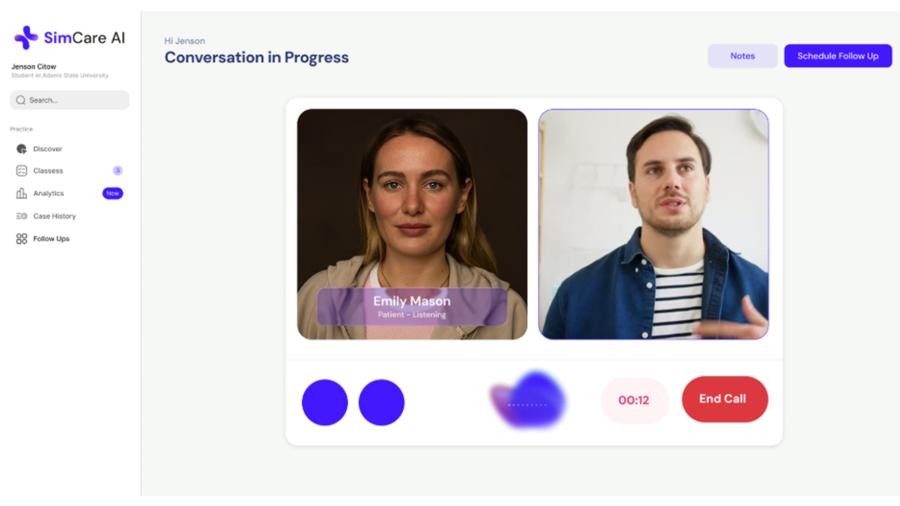
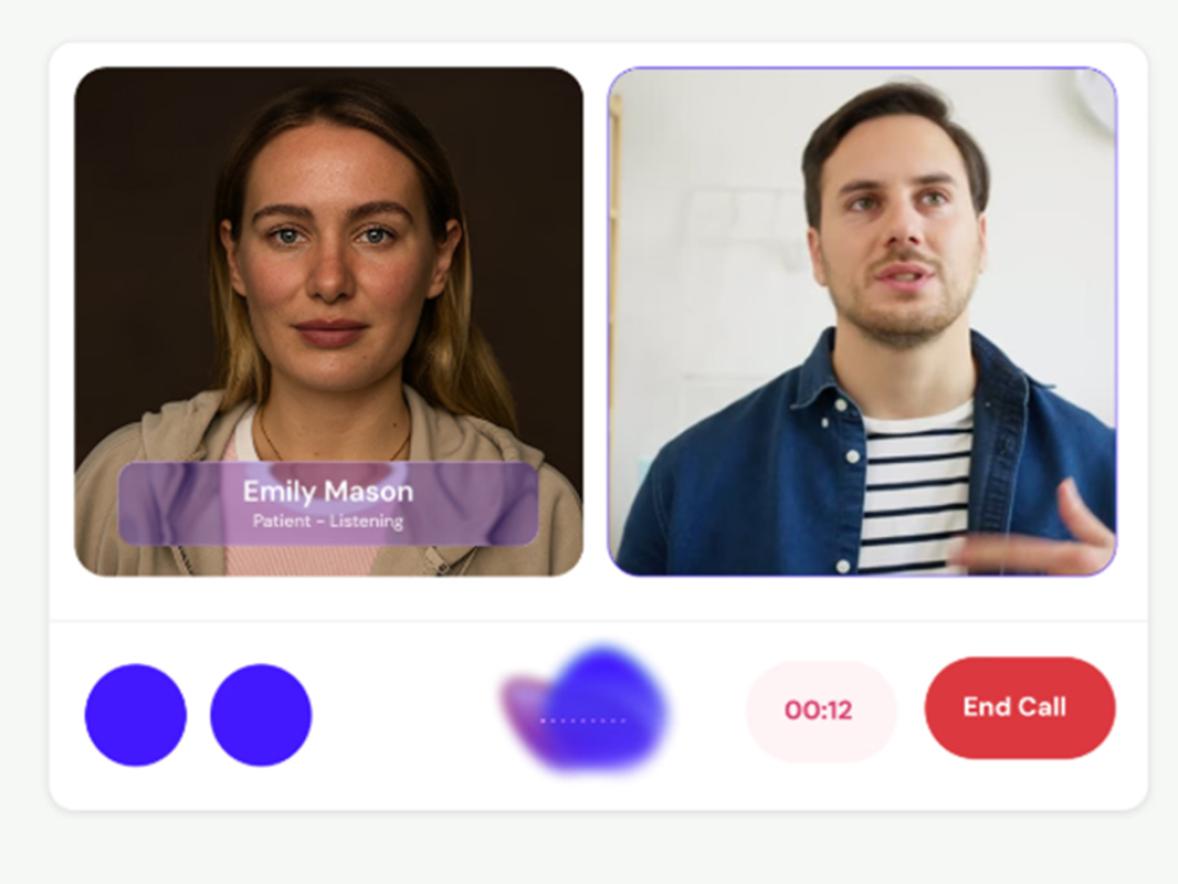
This year, Hessel and her colleagues are translating these insights into graduate training through SimCare, a clinical simulation platform launching this fall with students. The pilot creates a space where students can practice therapeutic skills with more than 500 counselor-designed AI avatars, providing a low-stakes environment to develop competence before working with real clients. SimCare gives access to AI-simulated individuals, couples, and families with a variety of presenting issues, such as substance use, family conflict and mental health diagnoses. Students can also use this space to practice talking about AI with an AI-simulated client, building competence in conversations they’ll increasingly have with real clients.
“The goal isn’t to reject AI or embrace it uncritically, of course,” Hessel said. “It’s to help future practitioners think through the ethics of how to integrate AI tools into their future work – should they choose to do that – gain experience having these conversations with clients, and learn how to work with clients who are already navigating their own AI use.”
Hessel is the recipient of a Carl Whitaker Award from the Wisconsin Association for Marriage and Family Therapy for her creative and innovative contributions in advancing AI integration with therapy.