
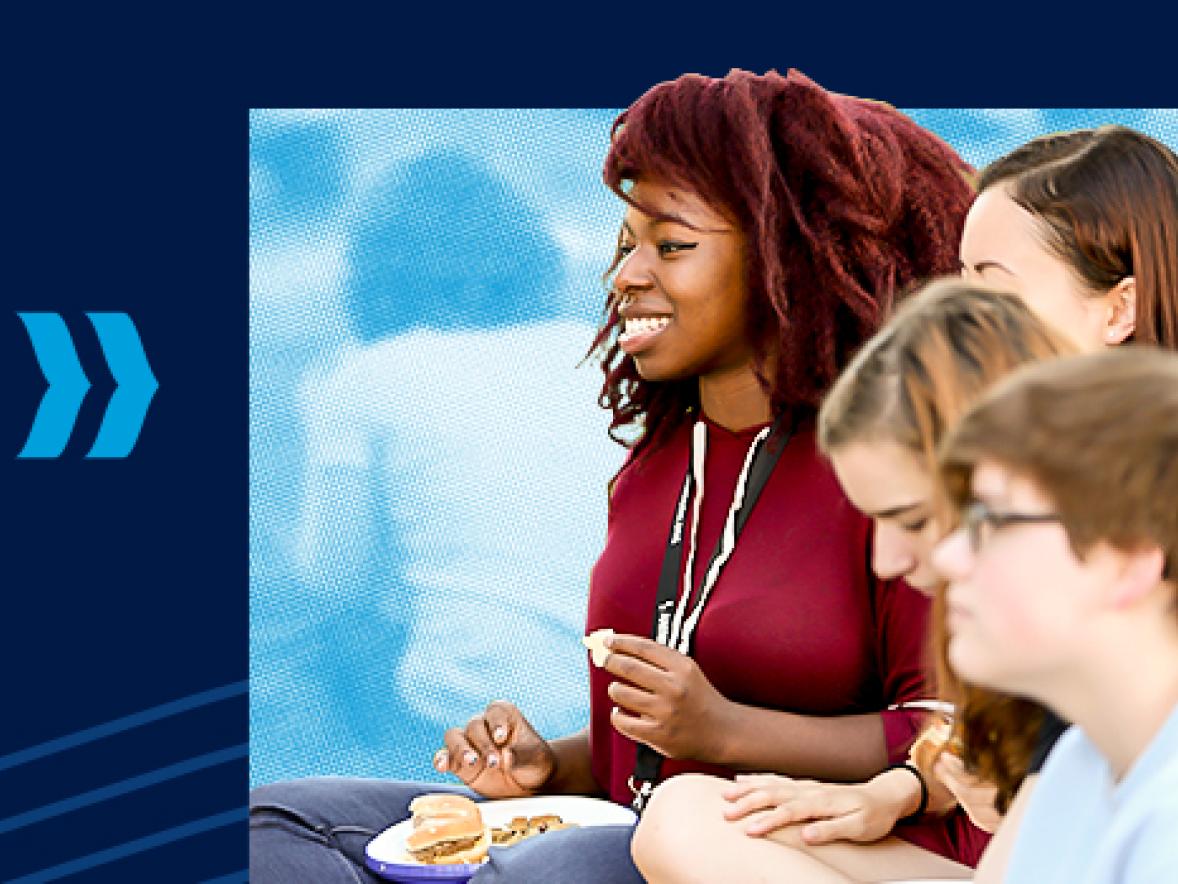
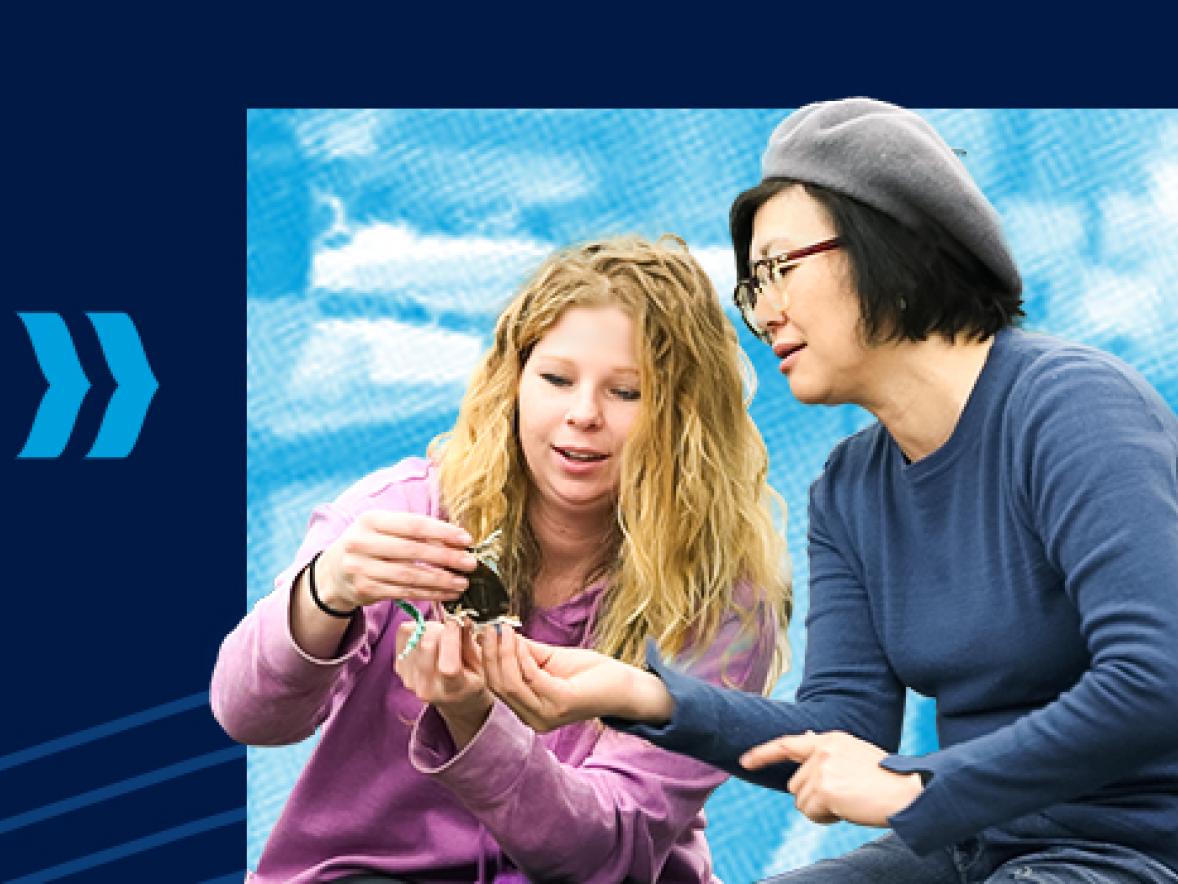
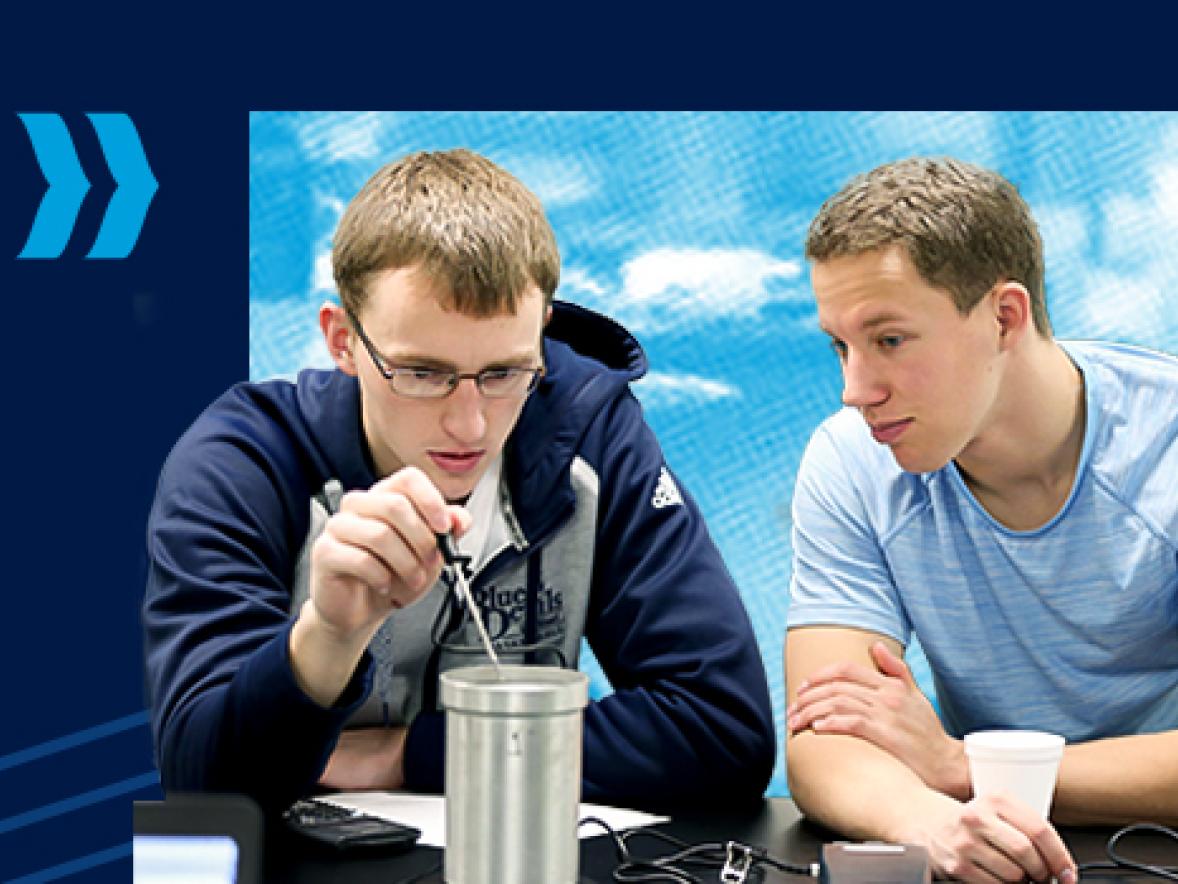


As a high school student from Ellsworth captivated by anatomy and physiology, Shelby Saenger was amazed when she had the opportunity to tour UW-Stout Polytechnic’s Cadaver Lab. Now, she’s helping teens experience that same wonder as they investigate medical careers at the Human Anatomy Exploration Camp, which is being held this week at UW-Stout Polytechnic.
“I was just fascinated and curious that I was able to see what is in my own body,” recalled Saenger, now a lecturer in the university’s biology department. “It sparked an interest in Stout as well. I thought, ‘Wow, these students get to do this for a whole semester.’”
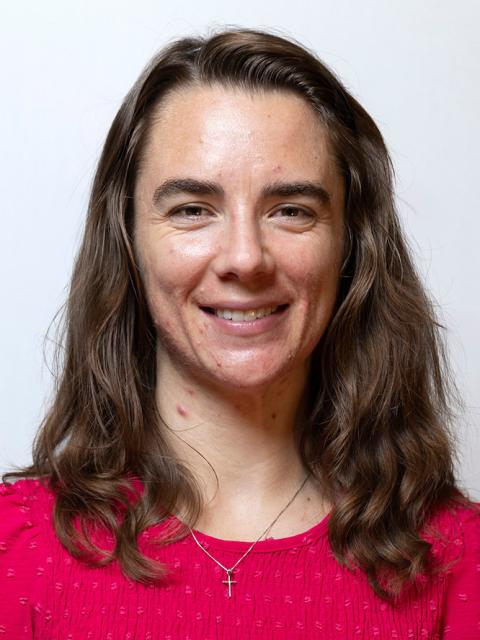
It wasn’t until later, after Saenger received a bachelor’s degree from UW-Stout Polytechnic and a master’s degree from the University of Minnesota and then taught at several colleges in the Twin Cities, that she recognized how unusually accessible the Cadaver Lab is.
“Not every bachelor’s degree student has the type of experience that I got at Stout,” she said. “It’s very unique. I’ve taught at many universities where they just have pictures or some plastic models, but they do not get the in-depth experience to be able to see things firsthand.”
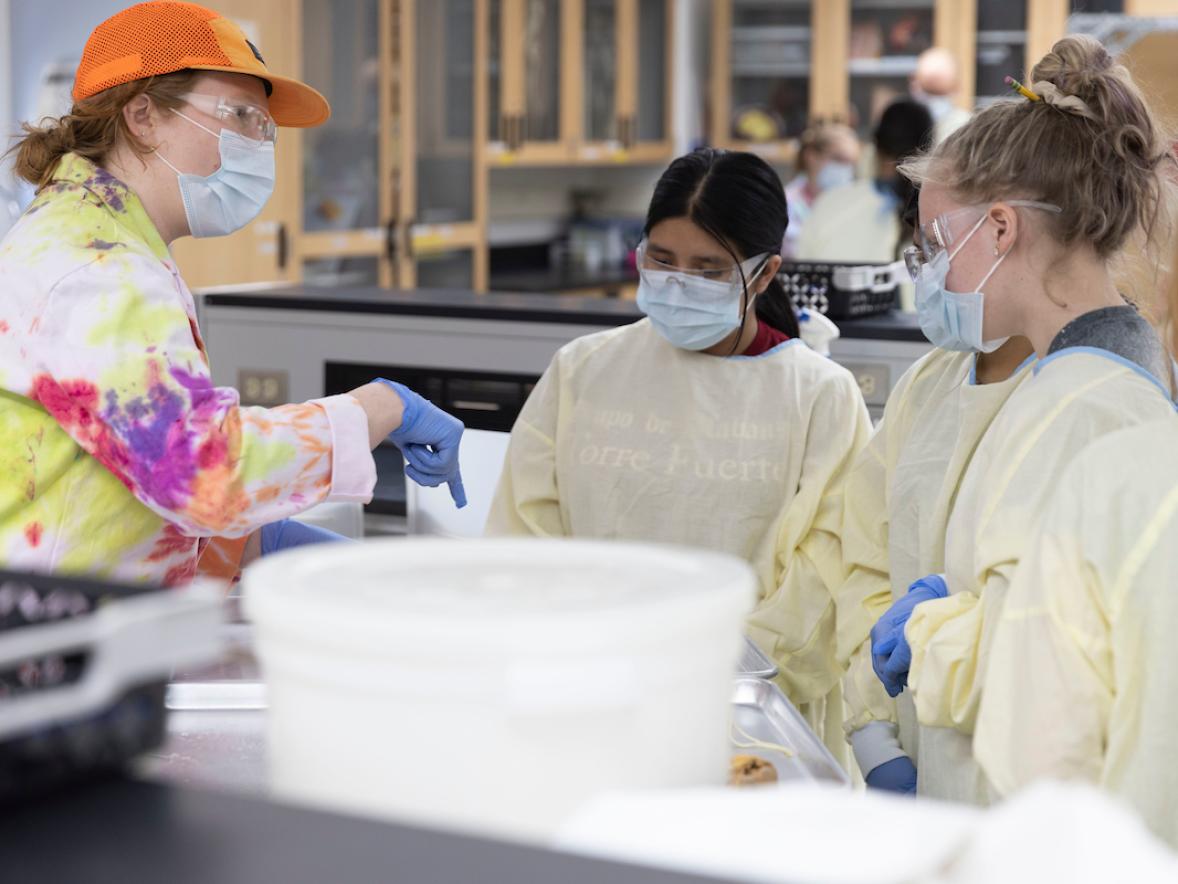
During the Human Anatomy Exploration Camp, Aug. 9-13, Saenger will teach high school students about major anatomical systems with the help of specimens from the Cadaver Lab, such as donated human hearts, kidneys and brains. Students will also research diseases and disorders that can impact these systems and then create informational aids – such as models, posters or drawings – to share their knowledge with others.
The program is one of the STEAM (Science, Technology, Engineering, Art/Design and Math) Summer Camps that sixth- through 12th-grade school students have attended on campus this summer. More than 450 students have taken part in 37 camps that focus on everything from 3D printing and plastics engineering to freshwater science and video production. These middle and high schoolers learn in facilities such as the Cadaver Lab, which is just one of the nearly 300 laboratory and studio spaces on campus, where labs outnumber traditional classrooms by a 3-to-1 ratio.
Lab guides students toward medical careers
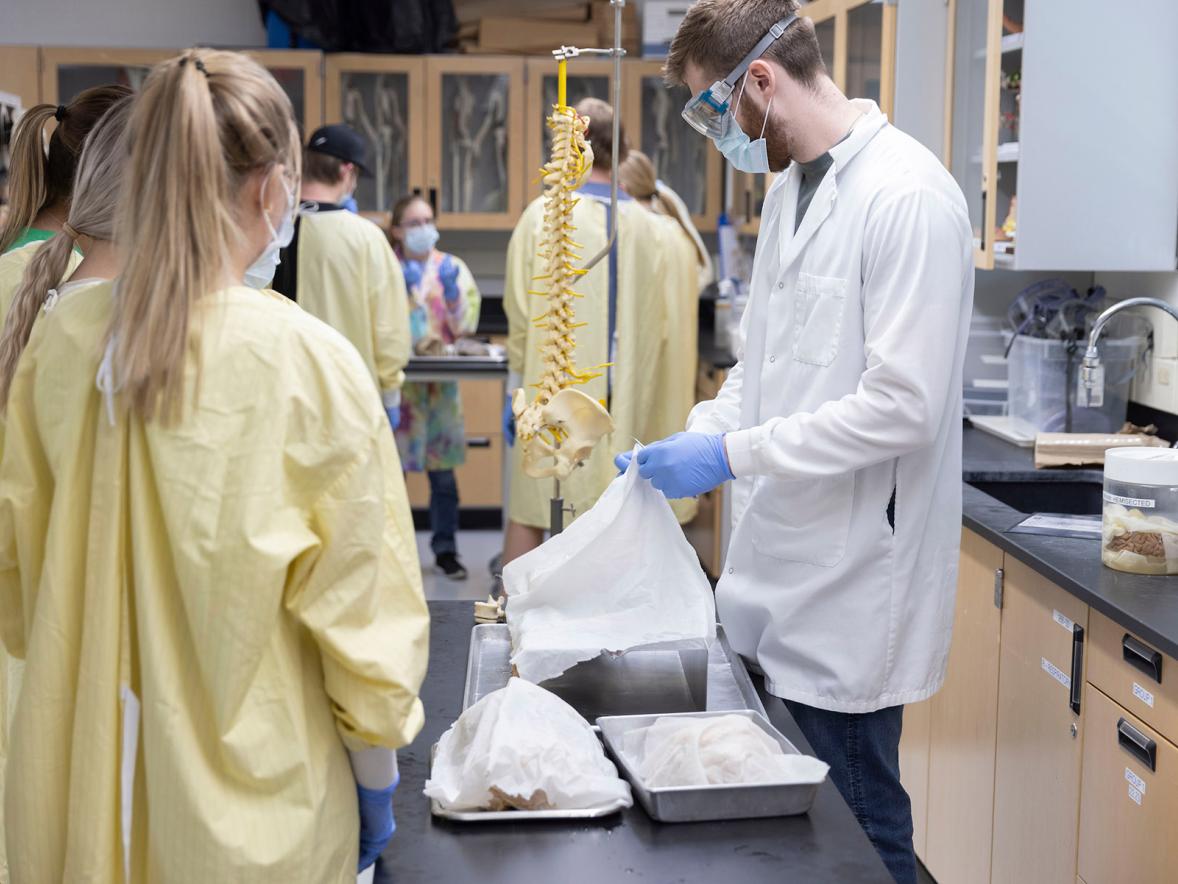
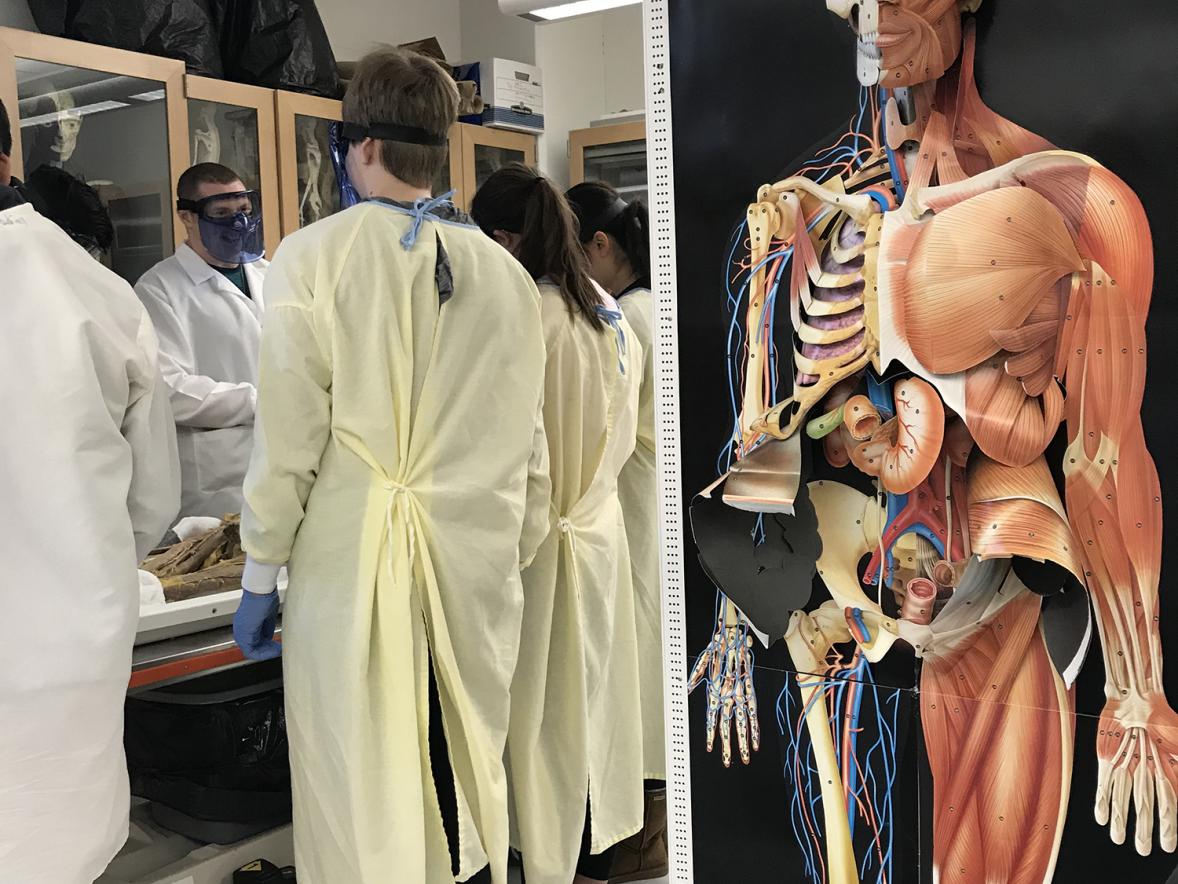
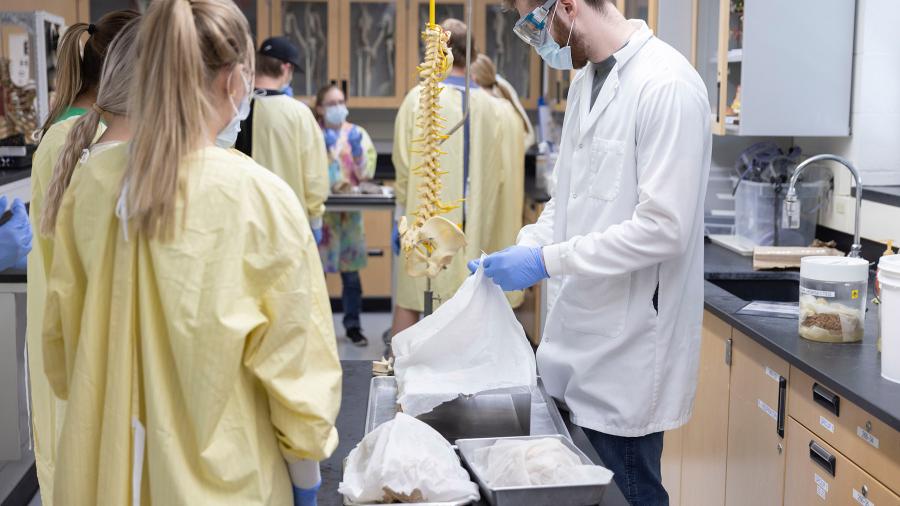
Each year, the Cadaver Lab Experience provides unique educational opportunities for high school students from around the region. High school visitors, who are often taking Advanced Placement Biology and Anatomy courses, explore the Cadaver Lab in the Jarvis Hall Science Wing with guidance from UW-Stout Polytechnic students and faculty. The undergraduates teach visiting teens about the human brain and spinal cord, heart and lungs, digestive system, muscles and the body cavities – all with the help of donated cadavers and specimens. This past spring, more than 600 students from 27 high schools took part in these outreach programs, which are supported in part by a grant from Marshfield Clinic.
It was one of these experiences that left a deep impression on Saenger when she was in high school. While she had dissected frogs and fetal pigs, “That does not have the gravity of the experience of being able to see human specimens,” she said. “I really appreciated that when I was a high school student, and even more when I was at Stout.”
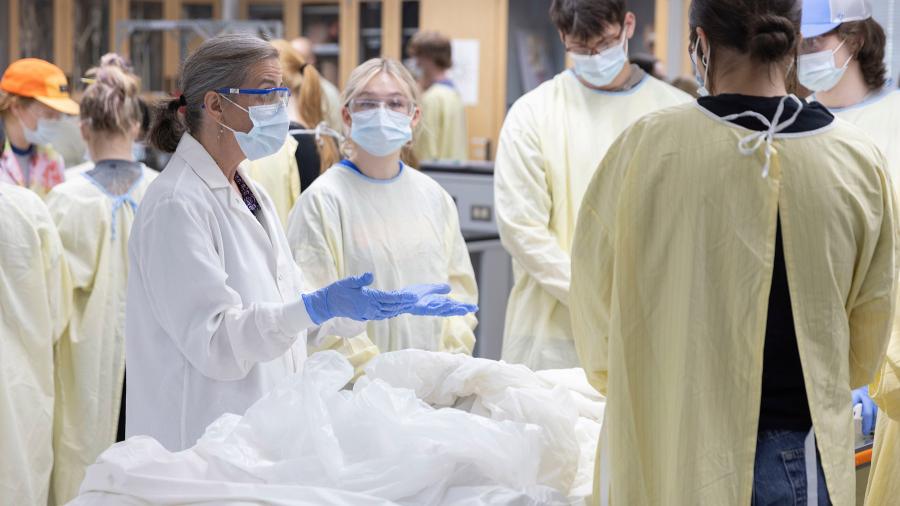
The Cadaver Lab stands apart not only as one of only two of its kind in west-central Wisconsin, but also because of the hands-on access it offers to undergraduate students. At most public universities, such cadaver facilities are primarily used by graduate students, said Dr. Alexandra Hall, a senior lecturer in the biology department who oversees the lab. “We’re the only one that I know of that allows undergraduates to do actual dissections,” Hall said. The lab is used extensively by students in the dissection class, who do a near full dissection of new donor bodies, as well as those in advanced human anatomy.
“A cadaver gives you a visceral experience of how our bodies are constructed that absolutely cannot be replicated by a plastic model, a digital image or certainly a diagram in a book,” said Hall, who previously worked for 20 years as a family physician and has been teaching at UW-Stout Polytechnic for the past 14 years.
The Cadaver Lab is an invaluable resource for UW-Stout Polytechnic students interested in becoming physicians, occupational or physical therapists, pharmacists, dentists, optometrists or other health professionals. Hall, who is advisor for the university’s pre-health program, said there are about 100 pre-health students at UW-Stout Polytechnic. These students are prepared to fill the state’s growing health care workforce gap, which is especially acute in rural areas: Of Wisconsin’s 72 counties, 37 are federal designated as primary care shortage areas while 40 are mental health shortage areas.
In addition to access to the Cadaver Lab, pre-health students benefit from UW-Stout Polytechnic’s small class sizes and polytechnic focus, which emphasizes applied learning, business and industry collaborations, and career-focused education.
It was the latter element that helped bring Saenger’s career back to UW-Stout Polytechnic. Before graduating in 2017, she shadowed several physicians and determined that medicine wasn’t a good fit for her. Instead, she decided she wanted to continue to learn – and teach – about the human body.
“I loved the faculty I met here,” Saenger said. “Many of those I met when I was touring campus are still here today, and now I get to work with them.”