

Creating Practical Solutions for the Global Community
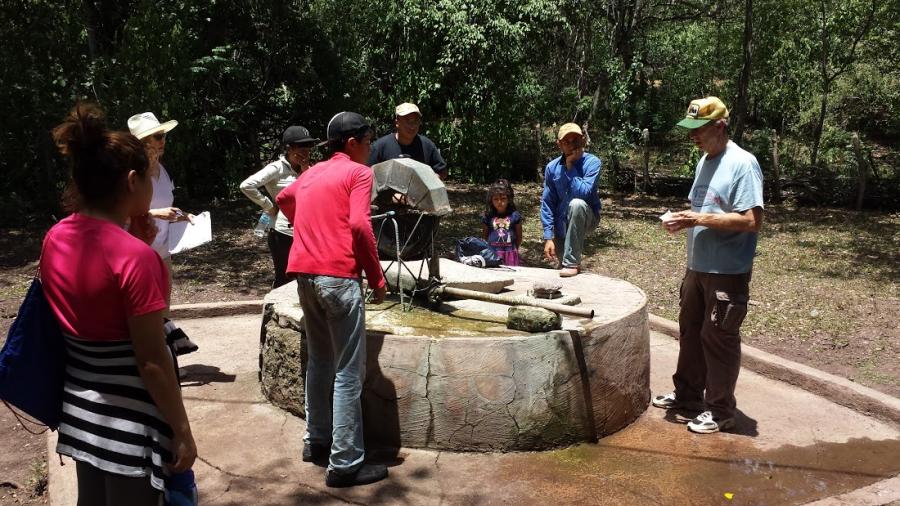
Discover how engineering and technology can create practical solutions to global community concerns, such as clean water or sustainable sewage systems. Over the years, UW-Stout Polytechnic engineering students have taken on a wide range of humanitarian challenges aligned with Engineers Without Borders. For example, in 2019, UW-Stout Polytechnic's then student chapter worked in Nicaragua to develop clean water systems while analyzing the needs and realities of life for the citizens of the community and the volunteers. That project unfolded over four years and included both engineering and social science students in the work. That project investigated the success of community-based service learning projects, examined data collected by Engineers Without Borders USA, and evaluated trends and practices throughout chapter projects.
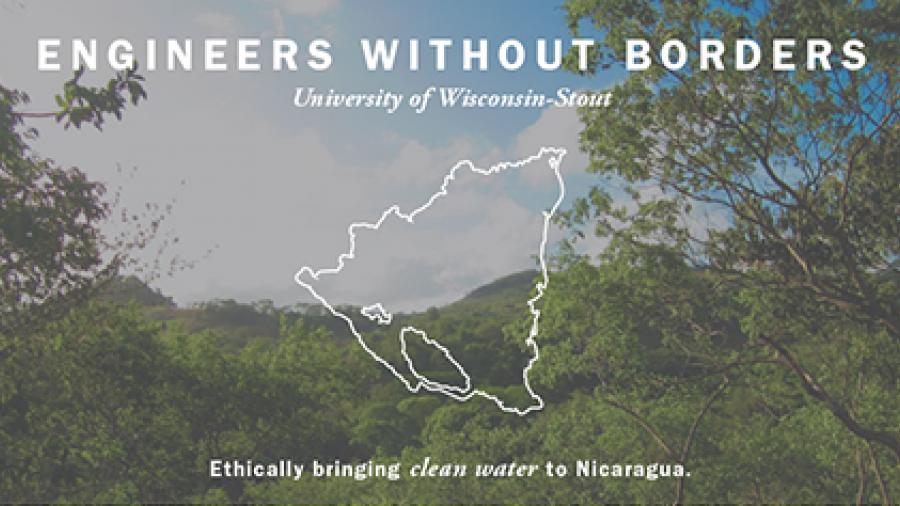
A fundamental goal of the Nicaragua project was to understand what works and why, so that more institutions can implement best practices and be successful in their community-based efforts. The successful implementation of the guidelines developed through that work enabled a more meaningful learning experience for students who partook in affected service learning offerings at UW-Stout Polytechnic and other university/colleges. Additionally, the communities who receive such efforts are better served as the needs of the community are addressed through the application of ethics to the STEM practice.
The results of this study are applicable to other projects that aim to connect students with communities to meet community needs. A wider understanding of how to balance the needs of students and communities could be broadly applied to service learning projects outside of the STEM fields. More specifically, community development, economic development, and applied anthropology projects might benefit from this research. Finally, third party stakeholders, such as employers of STEM students, are able to employ students who are better prepared to operate in the global workplace due to their participation in well-formed service learning opportunities. In summary, this work contributed to the development of an economically competitive STEM workforce by providing a guiding structure for effective and ethical service learning initiatives for STEM education. The overall project outcomes were disseminated publicly through a project website, traditional and lay publications and presentations, and the development and delivery of workshops.